








Working from home has its perks—no commute, better coffee, and total control over your environment. However, many home office workers have discovered the downside: a makeshift "office" (like the dining room table or a cheap flat-pack desk) can quickly lead to back pain and a lack of focus.
If you are ready to upgrade your remote work setup, here is a look at the pros and cons of switching to a standing desk specifically through the lens of a home office.
The Pros: Why Home Office Workers Love Them
1. Defining Your Work "Mode"
When your home is your office, it’s hard to switch "on." Standing can act as a psychological trigger that tells your brain it’s time to be productive. Many remote workers find that standing for deep-work sessions and sitting for casual administrative tasks helps create a much-needed mental boundary.
2. Seamless Integration with Home Decor
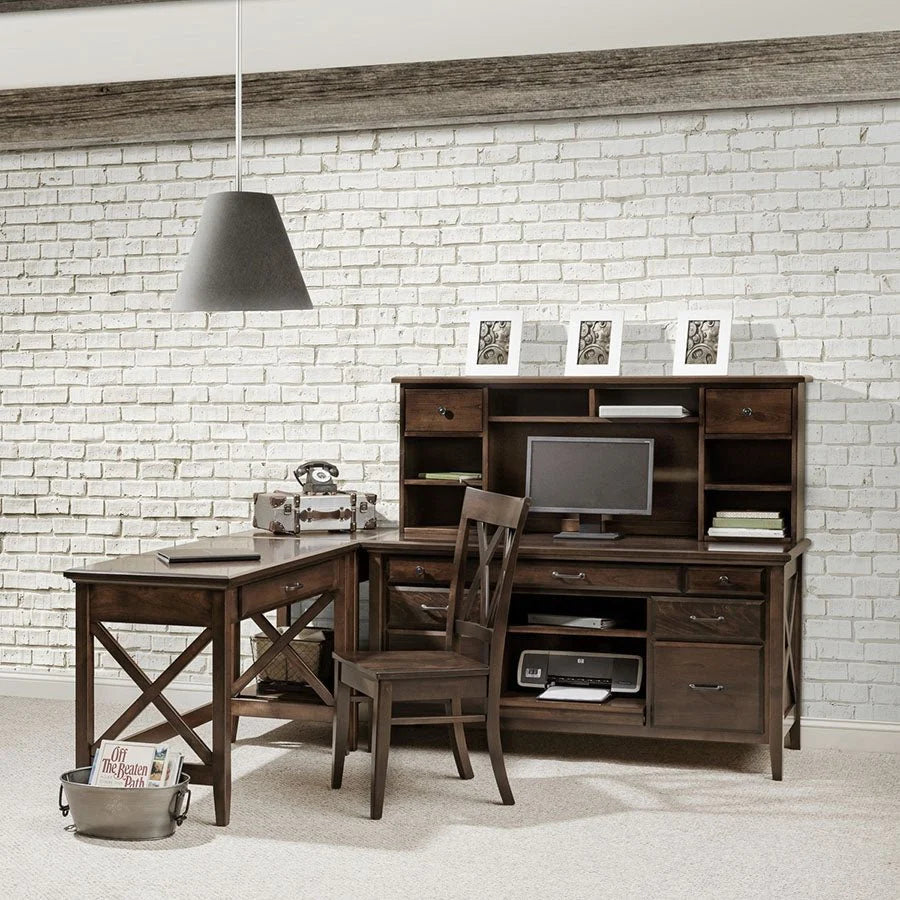
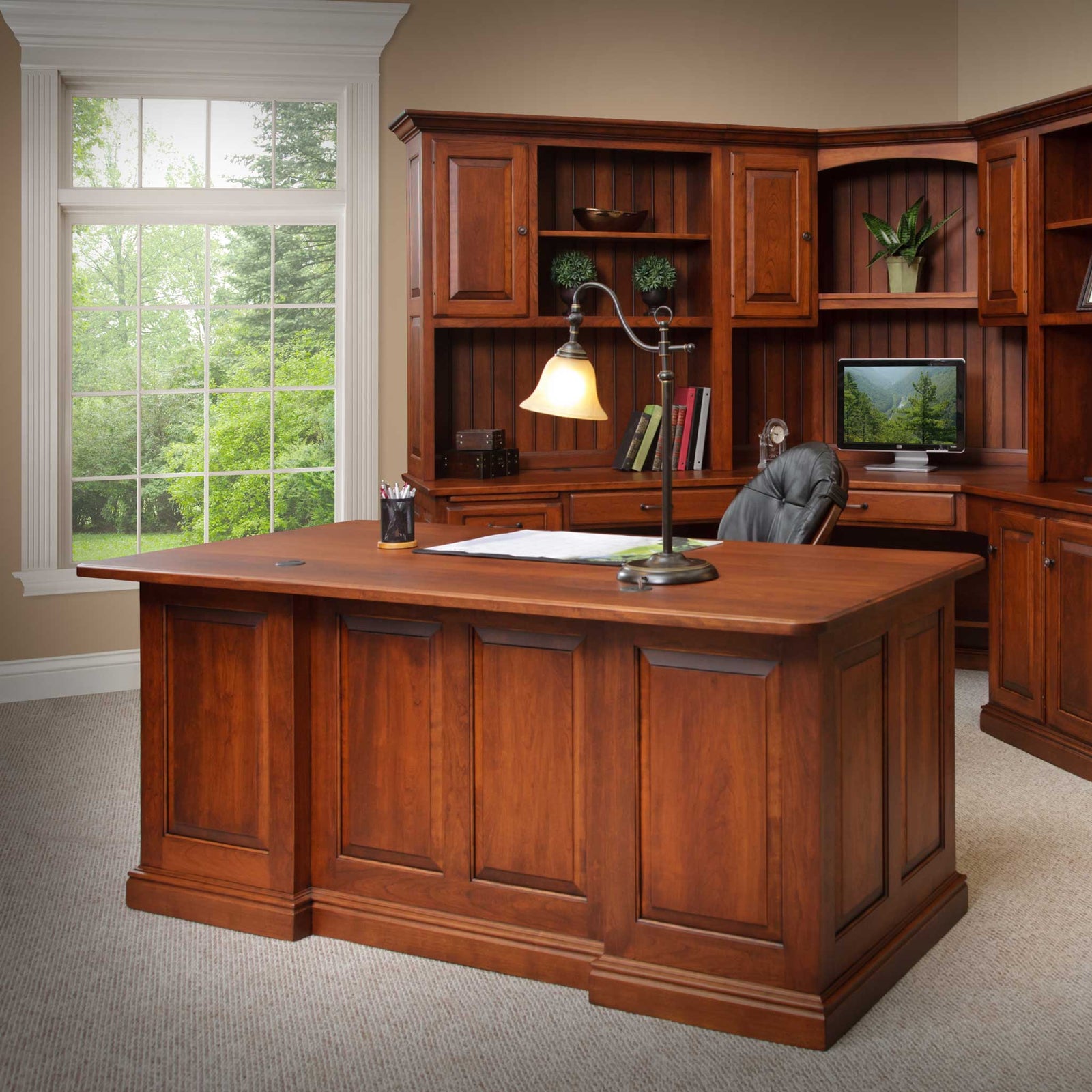
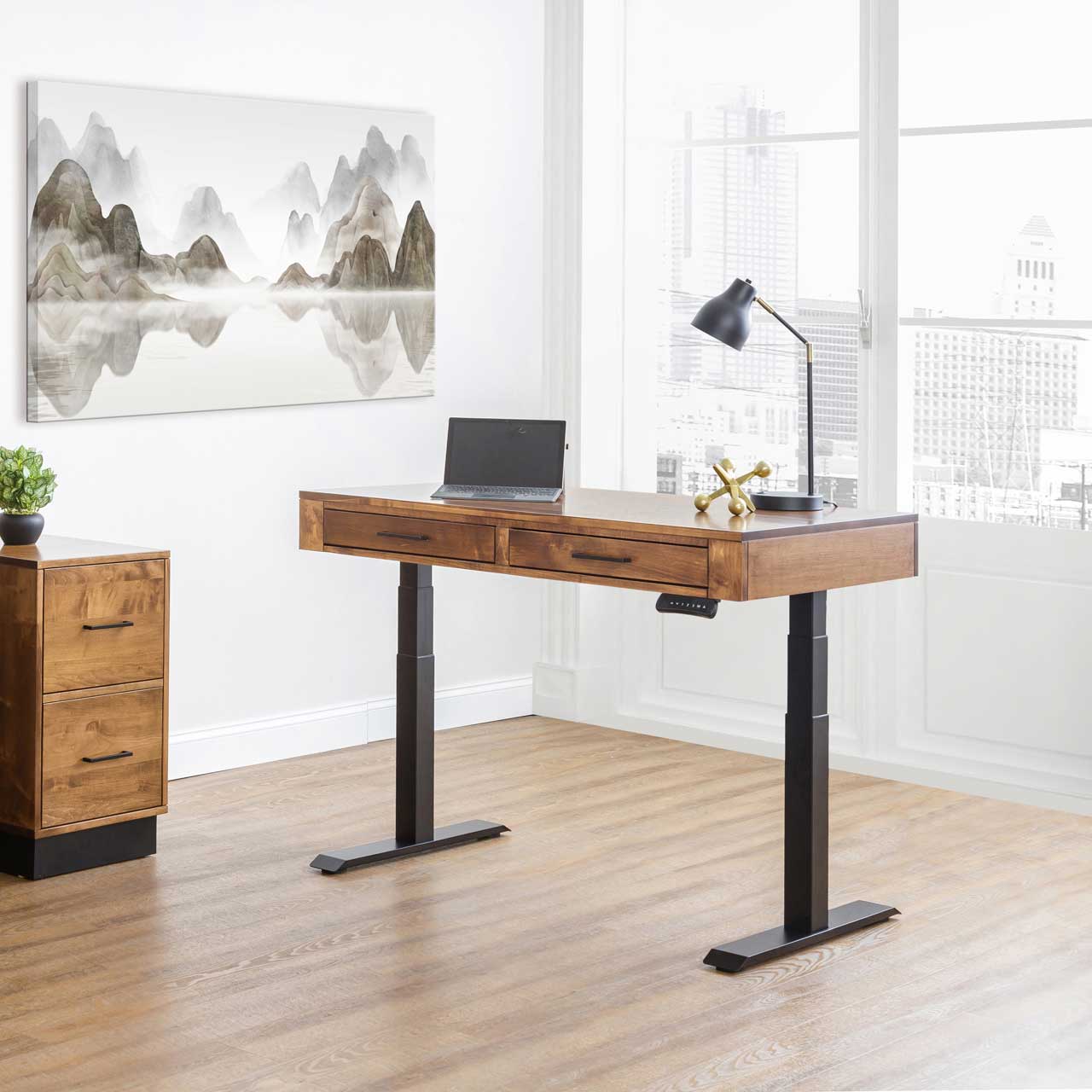
A standing desk doesn’t have to look like it belongs in a corporate cubicle. When you opt for solid wood designs, like Cherry or Walnut, the desk becomes a piece of furniture that enhances your home’s aesthetic rather than clashing with it. It feels like a part of your house, not a piece of office equipment.
3. Increased Daily Movement
Without the walk to a breakroom or a colleague's desk, remote work can become dangerously sedentary. A sit-stand desk encourages "micro-movements"—shifting your weight, stretching your calves, or even doing a quick stretch during a camera-off meeting.
The Cons: What to Consider Before You Buy
1. The "Cable Chaos" Factor
In a corporate office, wires are often hidden under the floor. At home, cables can become a tangled mess when the desk moves up and down. If you make the switch, you’ll need to invest in a good cable management tray to keep your home office looking tidy.
2. Flooring Matters
Office buildings usually have low-pile industrial carpet. At home, you might be standing on hard tile, hardwood, or plush rug. Standing on a hard surface for hours without an anti-fatigue mat can lead to joint pain. You’ll likely need to budget for a high-quality mat to go with the desk.
3. Stability in the Home Environment
Lower-end standing desks often "wobble" when fully extended, which is incredibly distracting when you’re typing in a quiet room. For home workers who want a professional feel, a solid, heavy-duty frame (like those found in Amish-made furniture) is essential to ensure your monitors don't shake during every keystroke.
Expert Tips for the Home Setup
-
The 20-8-2 Rule: Aim to sit for 20 minutes, stand for 8 minutes, and move or stretch for 2 minutes.
-
Check Your Lighting: When you raise your desk, the glare from your home’s windows or overhead lights might change. Adjust your monitor tilt to avoid eye strain.
-
Invest in Quality: Since this desk is in your home, choose a material that lasts. Solid North American hardwoods offer a longevity that synthetic materials simply can't match.
Ready to Professionalize Your Home Office?
Stop settling for a workspace that drains your energy. Transitioning to a handcrafted standing desk is an investment in both your health and your home's value.
Browse our collection of solid wood Amish standing desks and find the perfect piece to anchor your home office for decades to come.


Leave a comment (all fields required)